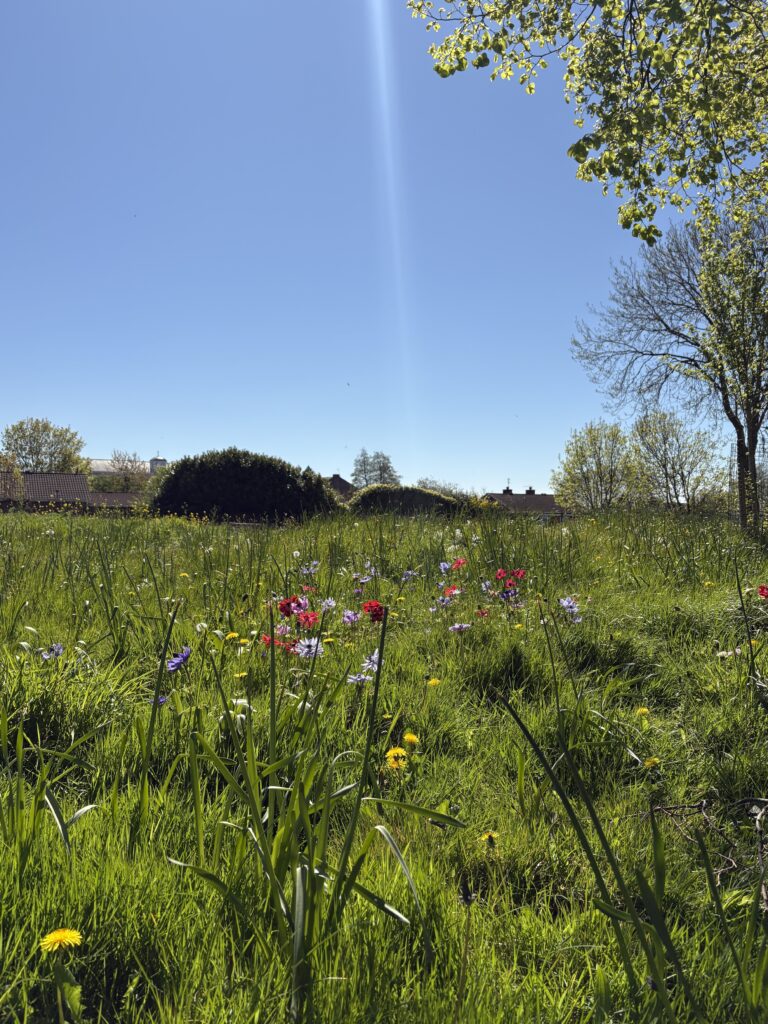
On 24 April 2026 I had the opportunity to learn headstone recording methodology from Dr Anna Fairley; the following day I made a site visit to Liverpool’s Anfield Cemetery, where several of the Shakespearean epitaph examples in our project database are located.
Anna recently defended her PhD thesis on Liverpool’s cemeteries, which involved surveying and recording nearly 4,000 graves. Here’s how she describes her research:
“My primary research relates to the development and management of Liverpool’s nineteenth-century cemeteries. This includes how aspects of identity and consumer choice affected the design of the memorials within them. I’m also interested in urban burial management prior to the opening of the cemeteries, including crypt and vault burials. Further work relates to community engagement with these urban burial spaces, as well as investigations into sources of memorials of the same period, and the related national and international trade routes.”
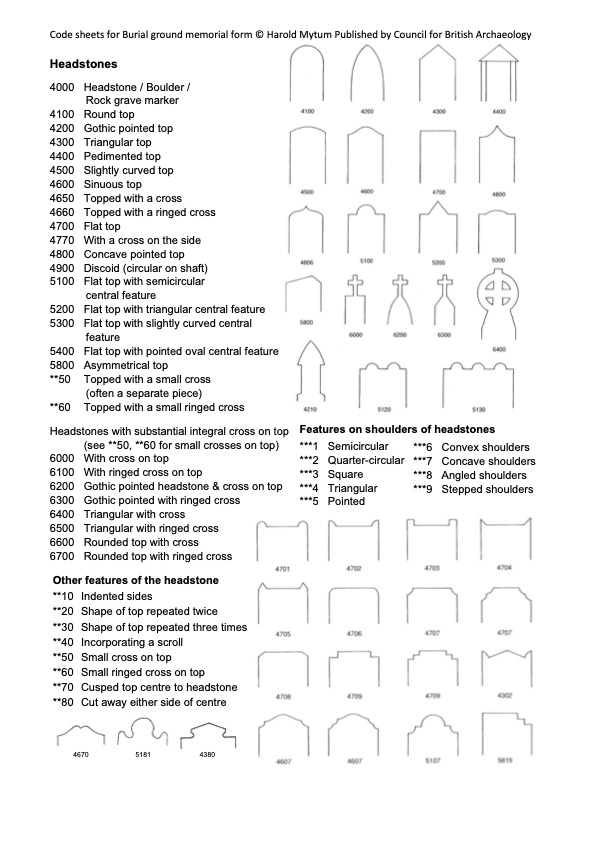
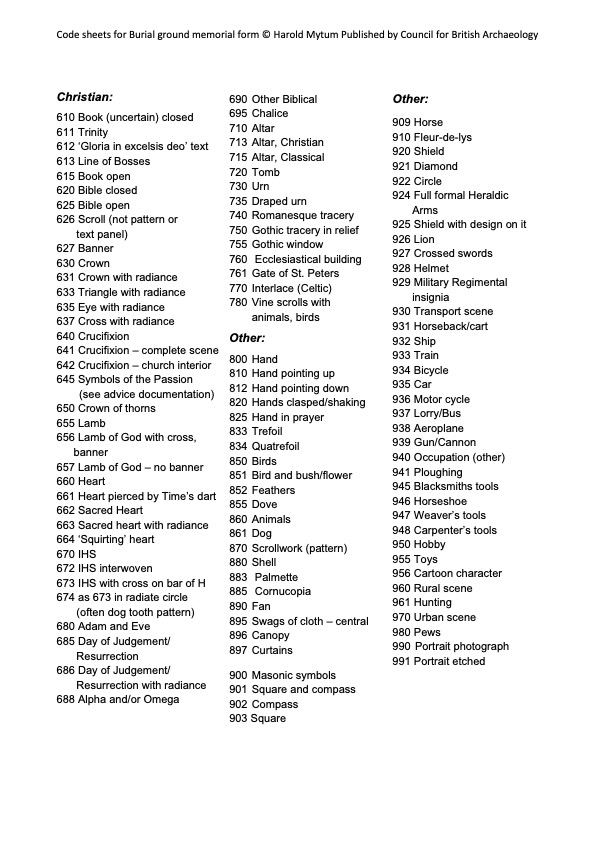
Anna kindly walked me through the very thorough headstone recording methodology she uses (and teaches), originally developed by Professor Harold Mytum. I enjoyed discussing the very extensive and nuanced classification systems used for headstone shape and imagery (sample images below), which are particularly relevant for our own Shakespearean Epitaphs data recording. It was fascinating to see so many other types of data being recorded too, and to learn why! The full PDF is freely available on the Discovering England’s Burial Spaces website along with lots of other useful guidance and resources.
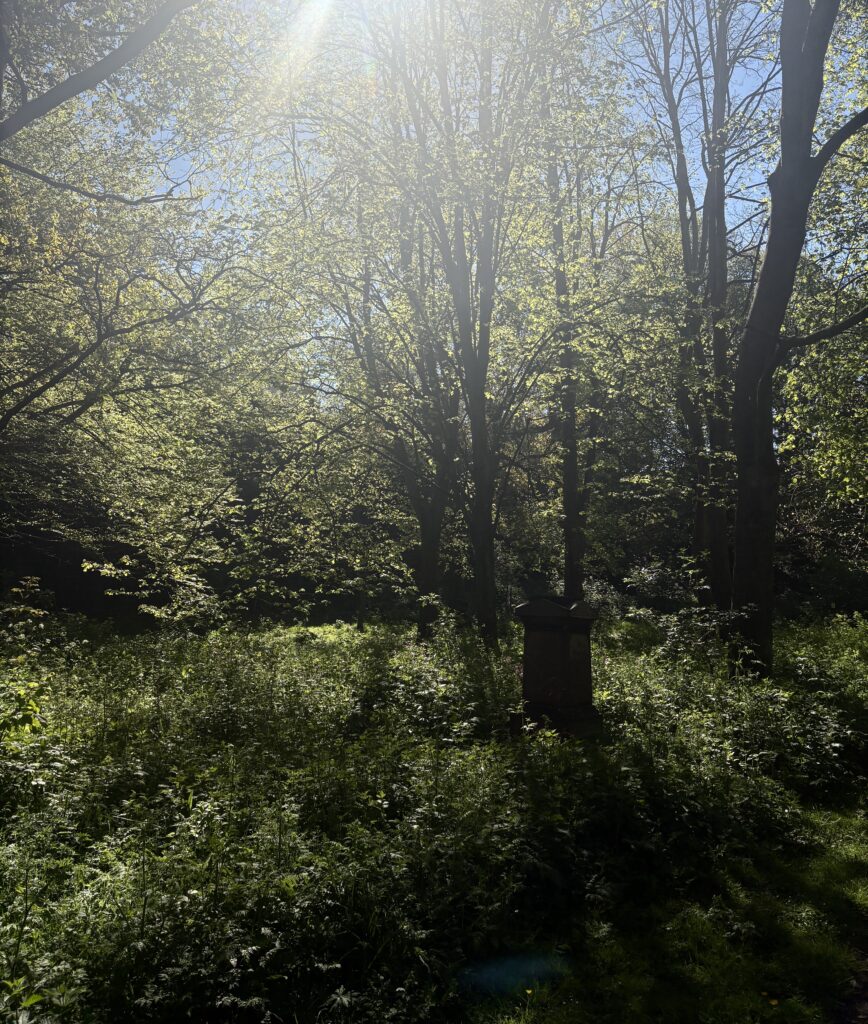
We started off at St James’ Cemetery (next to Liverpool Cathedral, which it pre-dates)…
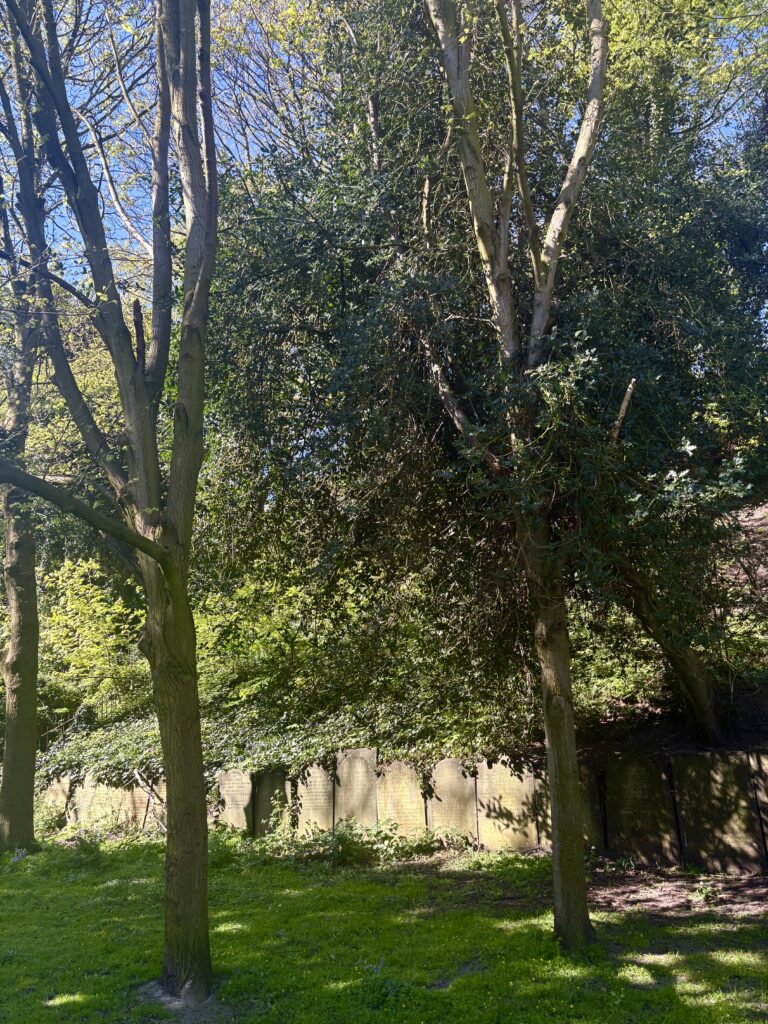
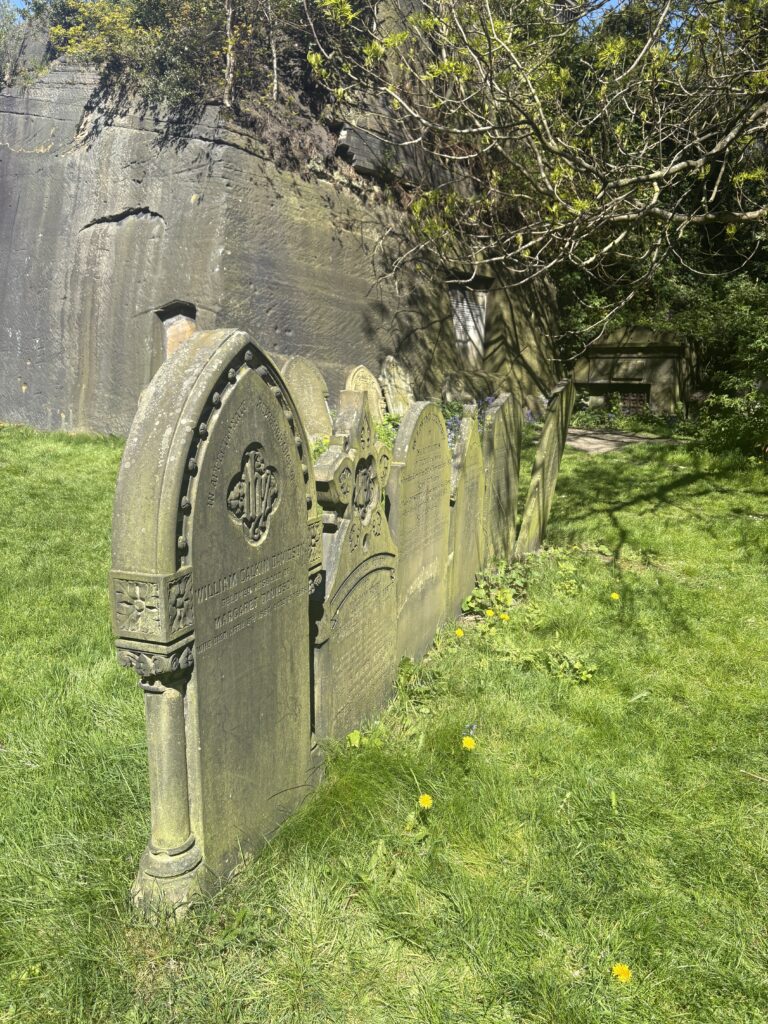
…before visiting St Patrick’s churchyard …
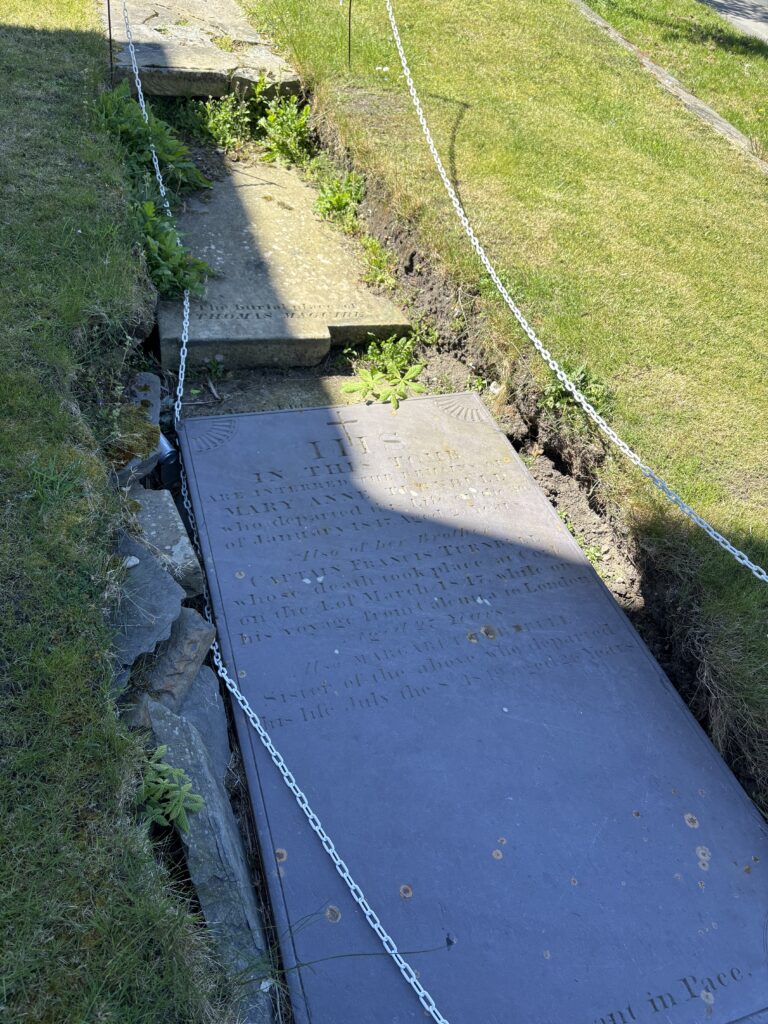
…and the now-entirely-unmarked burial ground of the former Wesleyan Methodist Chapel. We were joined for the latter two by Anna’s colleague Maria, who researches Liverpool’s Catholic burials in the 1800s.